The Allure of Gambling
Understanding the allure of gambling starts with recognizing the thrill and excitement that comes from playing games of chance. Casino environments are designed to stimulate the senses, from vibrant colors to enticing sounds that create an atmosphere of exhilaration. This sensory overload can lead players to experience a rush of adrenaline, making the prospect of winning all the more enticing, especially when they explore options such as australian betting sites , which offer unique gaming experiences. Furthermore, the social aspect of gambling, where players enjoy camaraderie and shared excitement, enhances this allure, drawing individuals into the world of casinos.
Additionally, the prospect of large payouts creates a compelling narrative that captivates many. Players often focus on potential rewards, dismissing the inherent risks associated with gambling. This phenomenon aligns with the concept of optimism bias, where individuals believe they have better odds than what statistics suggest. The excitement of winning, even with a modest bet, can sometimes overshadow the reality that most players will ultimately experience losses.
The psychology behind this attraction is deeply ingrained in human nature. Many individuals are drawn to risk-taking behaviors due to innate curiosity and the desire for new experiences. Casinos capitalize on this by creating environments that cater to these impulses, from themed gaming rooms to high-stakes tables. By tapping into psychological triggers such as fear of missing out and the thrill of uncertainty, casinos create a compelling environment that keeps players returning for more.
Risk and Reward Dynamics
The dynamics of risk and reward are central to the psychology of casino players. These players often engage in a continuous evaluation of the risks they are taking against the potential rewards they could receive. This balance can lead some to take greater risks, particularly in games that offer larger payouts for minimal bets. The very structure of many casino games is designed to exploit this psychological tendency, leading players to develop irrational beliefs about their chances of winning.
Studies have shown that players may develop a sense of “loss chasing,” where they feel compelled to continue gambling in hopes of recovering losses. This behavior is driven by a complex interplay of cognitive biases, such as the gambler’s fallacy, where individuals believe that previous outcomes affect future probabilities. For instance, if a player has lost several times in a row, they may mistakenly believe that a win is “due,” prompting them to bet even more significantly in an effort to recoup their losses.
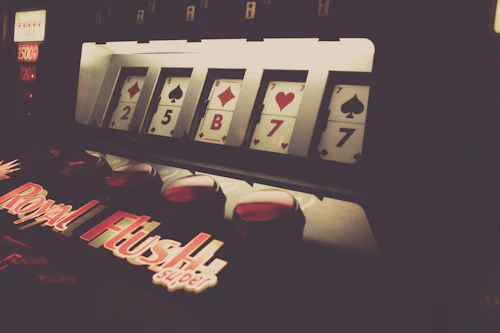
The impact of this risk-reward dynamic can be profound, leading to patterns of behavior that resemble addiction. As players continue to seek the thrill that comes from both risk-taking and the anticipation of reward, they may find themselves in a cycle that becomes difficult to break. Understanding this psychological framework is crucial for both players and those who wish to help them, as awareness of these patterns can lead to healthier gambling habits.
The Role of Environment and Design
The environment in which gambling takes place plays a crucial role in influencing players’ psychological states. Casinos are meticulously designed spaces that aim to keep players engaged and minimize distractions from external realities. Elements such as dim lighting, lack of windows, and strategically placed gaming machines create a sense of immersion that can lead to prolonged gambling sessions. This design is not accidental; it is a carefully crafted strategy to enhance the player experience and encourage extended play.
Moreover, the layout of casinos often encourages social interaction among players. Open spaces, communal gaming areas, and bars enhance the social aspect of gambling, leading players to feel more connected and validated in their choices. The social reinforcement can create a feeling of belonging, further encouraging players to remain in the casino environment. This sense of community can also lead to a sense of competition, driving individuals to play longer and bet more in hopes of outperforming their peers.
The sensory aspects of the casino are also carefully curated to enhance the psychological experience. The sounds of coins dropping, the flashing lights of winning machines, and the cheerful chatter of other players create an electrifying atmosphere. This stimulation can lead to an emotional high that reinforces the desire to return to the casino. As players become conditioned to associate these sensory experiences with positive emotions, they may find themselves drawn back to the gaming floor, sometimes even against their better judgment.
The Impact of Emotions on Gambling Behavior
The emotional state of players can significantly influence their gambling behavior. Many individuals gamble to escape negative emotions such as sadness, anxiety, or stress, seeking a form of solace in the thrill of play. This emotional escape can create a temporary high, with players often experiencing a rush that distracts from their problems. However, this can lead to a cyclical pattern where players gamble to cope with their emotions, only to face the negative consequences of their actions, further exacerbating those emotions.

On the flip side, positive emotions can also drive gambling behavior. Players who are feeling euphoric or confident may take larger risks, believing that their good fortune will continue. This emotional state can cloud judgment and lead to impulsive decisions, such as betting more than they typically would. The interplay between emotions and gambling behavior underscores the importance of self-awareness for players, as understanding their emotional triggers can lead to more responsible gambling practices.
Furthermore, the concept of emotional reflectivity highlights how players can reflect on their emotional states while gambling, impacting their decision-making processes. Some players may become aware of their rising anxiety or excitement and decide to take a step back; others may ignore these signals, leading to overwhelming losses. Addressing the emotional aspects of gambling is crucial for developing strategies to promote responsible gambling and support those affected by gambling-related issues.
Understanding Player Behavior Online
As technology continues to evolve, understanding the psychology of casino players extends to the online realm. Digital gambling has created a new landscape where players navigate virtual casinos from the comfort of their homes. This convenience can lead to an increase in gambling activity, as players often find it easier to access games without the restrictions of traditional casino environments. The anonymity of online gambling can also lead to more impulsive behaviors, as players may feel less accountable for their actions.
Online casinos employ various strategies to replicate the excitement of physical venues, utilizing graphics, sounds, and interactive features to engage players. These virtual experiences are designed to create a sense of immersion, even from a distance. However, the lack of physical cues that exist in brick-and-mortar establishments may lead to different behavioral patterns, such as rapid loss of time awareness and increased chances of problem gambling.
Moreover, online gambling introduces the concept of accessibility, where players can engage in gaming at any time without geographical limitations. This can exacerbate existing behavioral tendencies, particularly for those predisposed to addictive behaviors. Understanding these dynamics within the digital space is essential for developing strategies aimed at promoting responsible gambling. Online platforms are increasingly recognizing the need for safer gambling practices and implementing features that allow players to manage their time, spending, and emotional triggers effectively.